
Balloon Sinuplasty in Jupiter, FL
A Minimally Invasive Treatment for Chronic Nasal Congestion and Sinus Pressure
Persistent nasal congestion, facial pressure, and recurring sinus infections can make it difficult to breathe comfortably and enjoy everyday activities. If medications provide only temporary relief or your symptoms continue to return, it may be time to look beyond short-term treatment and find out what’s causing your sinus problems.
At Jupiter Sinus & Allergy, we offer balloon sinuplasty for patients experiencing chronic sinus symptoms that have not improved with medication or other conservative treatments. This minimally invasive procedure is designed to open blocked sinus passages, improve natural drainage, and help relieve the pressure and congestion associated with chronic sinusitis.
Before recommending treatment, our ENT providers perform a thorough evaluation to identify the underlying cause of your symptoms. Whether your condition is related to chronic inflammation, allergies, nasal polyps, or another structural concern, we’ll work with you to develop a treatment plan based on your individual needs.
Quick Answer
What Is Balloon Sinuplasty?
Balloon sinuplasty is a minimally invasive sinus procedure that uses a small, flexible balloon catheter to gently widen blocked sinus openings. By restoring the natural drainage pathways of the sinuses, the procedure can help reduce pressure, improve airflow, and allow mucus to drain more effectively.
Unlike traditional sinus surgery, balloon sinuplasty does not involve removing bone or tissue. For appropriately selected patients, it may help improve chronic nasal congestion, facial pressure, sinus headaches, postnasal drip, and difficulty breathing through the nose.
Because the procedure is minimally invasive, many patients return to their normal activities within one to two days, although recovery varies depending on the individual.
What Is Chronic Sinusitis?
Chronic sinusitis or Chronic Rhinosinusitis (CRS) is a long-lasting inflammation of the tissues lining the sinuses. Unlike a typical sinus infection that often resolves within a few weeks, chronic sinusitis persists for 12 weeks or longer or repeatedly returns despite treatment.
Healthy sinuses continuously produce mucus that drains through small openings into the nasal passages. When inflammation causes these openings to become blocked, mucus can become trapped inside the sinuses. This buildup often leads to ongoing congestion, facial pressure, headaches, and difficulty breathing through the nose.
Chronic sinusitis may develop for several reasons, including allergies, recurring infections, nasal polyps, or structural issues inside the nose. Identifying the cause is an important step in choosing the most appropriate treatment. In Jupiter and throughout Palm Beach County, seasonal pollen, mold exposure, humidity, and changing weather conditions may contribute to ongoing sinus inflammation and chronic nasal congestion for some patients.
Telltale Signs That You May Need a Sinus Evaluation
Sinus symptoms that last longer than expected or continue returning shouldn’t be ignored. While occasional congestion is common during a cold, persistent symptoms may indicate chronic sinus disease or another condition affecting your nasal passages.
You may benefit from a sinus evaluation if you experience:
- Recurring sinus infections
- Persistent nasal congestion
- Thick nasal drainage or ongoing postnasal drip
- Facial pressure around the eyes, cheeks, forehead, or nose
- Frequent sinus headaches
- Ear pressure or a feeling of fullness
- Difficulty breathing through your nose
- Reduced sense of smell or taste
- Poor sleep caused by chronic congestion
If your symptoms continue for more than 10 days, repeatedly return, or interfere with your sleep, work, exercise, or everyday activities, an ENT evaluation can help determine the underlying cause.
Direct Answer
Do I Have Allergies or a Sinus Infection?
Allergies and sinus infections often produce similar symptoms, including congestion, postnasal drip, and facial pressure. Because of this overlap, it isn’t always possible to determine the cause based on symptoms alone.
Allergies commonly cause sneezing, itchy or watery eyes, and clear nasal drainage. A sinus infection is more likely to produce thicker mucus, facial pain, and symptoms that continue after a cold or respiratory illness.
Some patients have both conditions simultaneously. Allergies can keep the nasal passages swollen, making it harder for the sinuses to drain properly and increasing the risk of recurring sinus infections.
A thorough ENT evaluation can help identify whether your symptoms are related to allergies, chronic sinusitis, or another condition affecting your nose and sinuses.
What Causes Chronic Sinusitis?
Chronic sinusitis develops when inflammation prevents the sinuses from draining normally. Instead of flowing freely, mucus becomes trapped, allowing pressure and irritation to build inside the sinus cavities.
Several factors may contribute to chronic sinus inflammation, including:
- Seasonal or year-round allergies
- Viral upper respiratory infections
- Nasal polyps
- A deviated septum
- Chronic inflammation inside the nose
- Asthma
- Environmental irritants such as smoke or air pollution
Many patients have more than one contributing factor. That’s why a detailed evaluation is important before deciding on the most appropriate treatment.
What Is Balloon Sinuplasty?
Balloon sinuplasty is designed to improve sinus drainage by gently expanding blocked sinus openings.
During the procedure, your ENT provider carefully guides a small balloon catheter into the affected sinus passage. Once the catheter is correctly positioned, the balloon is slowly inflated to widen the natural opening. After the sinus passage has been expanded, the balloon is deflated and removed.
Because the surrounding tissue is preserved, balloon sinuplasty is generally associated with less discomfort and a shorter recovery than traditional sinus surgery. The procedure is commonly performed in the office using local anesthesia for appropriate candidates.
Direct Answer
Is Balloon Sinuplasty Permanent?
Balloon sinuplasty widens the natural drainage pathways of the sinuses, and many patients experience long-term improvement in their symptoms.
However, long-term results vary depending on several factors, including allergies, chronic inflammation, nasal anatomy, and overall sinus health. Some patients continue allergy treatment or other therapies after balloon sinuplasty to help manage the underlying cause of their symptoms.
Your provider will discuss realistic expectations based on your medical history and examination findings.
Direct Answer
When Might Balloon Sinuplasty Be Recommended?
Balloon sinuplasty may be recommended for patients with chronic sinus symptoms that continue despite medications, nasal sprays, saline rinses, or other conservative treatments.
After reviewing your symptoms, medical history, and sinus anatomy, your ENT provider can determine whether balloon sinuplasty is an appropriate treatment option or whether another approach may better address your condition.
Who Can Benefit From Balloon Sinuplasty?
Although many sinus problems improve with medication or home care, some patients continue to experience symptoms that affect their daily lives.
Balloon sinuplasty may be considered for patients who:
- Have chronic sinusitis lasting 12 weeks or longer
- Experience recurring sinus infections
- Continue having symptoms despite medical treatment
- Have blocked sinus passages identified during an ENT evaluation
- Prefer a minimally invasive treatment option when appropriate
Treatment recommendations are individualized and based on your symptoms, examination findings, and diagnostic evaluation.
Direct Answer
When Is It Time to See an ENT for Nasal Congestion?
Nasal congestion that continues for weeks or repeatedly returns may indicate more than a lingering cold.
If congestion is interfering with your breathing, sleep, work, or daily activities—or if it’s accompanied by recurring sinus infections, facial pressure, or postnasal drip—it’s time to schedule an ENT evaluation. Identifying the cause early can help guide more effective treatment and reduce ongoing discomfort.
What to Expect During a Balloon Sinuplasty Procedure
Understanding what happens before, during, and after balloon sinuplasty can help you feel more prepared if your provider recommends the procedure.
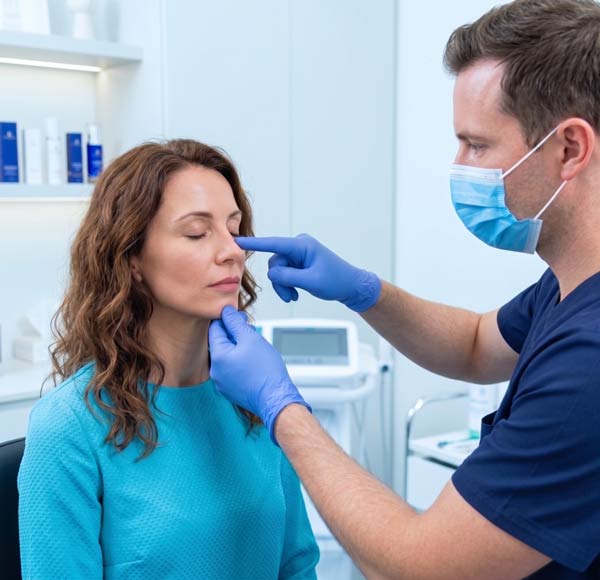
Your evaluation begins with a discussion about your symptoms, medical history, and previous treatments. Your provider may perform a nasal endoscopy and, when appropriate, recommend imaging studies to better understand your sinus anatomy and identify areas of blockage.
This evaluation helps determine whether balloon sinuplasty is the right treatment for your condition or whether another approach may better address your symptoms.
Balloon sinuplasty is typically performed in the office using local anesthesia for appropriate candidates.
During the procedure, a small balloon catheter is carefully guided into the blocked sinus opening. Once it reaches the correct position, the balloon is gently inflated to widen the natural drainage pathway. After the sinus opening has been expanded, the balloon is deflated and removed, leaving the passage open to improve mucus drainage and airflow.
Because the procedure preserves the surrounding tissue, many patients experience less discomfort than they would with traditional sinus surgery.
Recovery experiences vary from person to person, but balloon sinuplasty is generally associated with minimal downtime.
Some patients experience temporary congestion, mild drainage, or facial pressure during the first few days after treatment. These symptoms typically improve as healing progresses. Your provider will explain what to expect during recovery, discuss any activity restrictions, and schedule follow-up visits to monitor your progress.
Direct Answer
How Long Is Recovery After Balloon Sinuplasty?
Many patients are able to return to work and most normal daily activities within 24 to 48 hours after balloon sinuplasty. However, recovery depends on several factors, including your overall health, the extent of treatment, and how your body heals.
Your provider will give you personalized recovery instructions and let you know when it’s appropriate to resume your usual routine.
Direct Answer
Who Is a Candidate for Balloon Sinuplasty?
Balloon sinuplasty may be an option for patients with chronic or recurring sinus symptoms that have not improved with medication or other conservative treatments.
A detailed ENT evaluation helps determine whether balloon sinuplasty is appropriate. During your visit, your provider will review your symptoms, examine your nasal passages, and consider imaging or nasal endoscopy findings before recommending treatment.
Not every patient with sinus symptoms requires balloon sinuplasty. In some cases, medications, allergy management, or another procedure may be more appropriate based on the underlying cause of your condition.
Balloon Sinuplasty FAQs
For appropriate candidates, balloon sinuplasty may improve sinus drainage by widening blocked sinus openings. Better drainage can reduce the conditions that contribute to recurring sinus infections, although treatment recommendations depend on the underlying cause of your symptoms.
Most patients tolerate balloon sinuplasty well. The procedure is typically performed using local anesthesia to improve comfort, and many patients report feeling pressure rather than significant pain during treatment.
Some patients continue allergy treatment after balloon sinuplasty, particularly if allergies contribute to ongoing inflammation inside the nose and sinuses. Managing allergies may help reduce future sinus irritation and support long-term symptom control.
Many insurance plans cover balloon sinuplasty when it is considered medically appropriate. Coverage varies depending on your insurance provider and individual policy. Our team can help review your benefits and answer questions before treatment.
Balloon sinuplasty widens blocked sinus passages using a small balloon catheter without removing bone or tissue. Traditional sinus surgery may involve correcting structural abnormalities or removing tissue when necessary. Your provider will recommend the option that best fits your diagnosis.
Many patients experience lasting improvement after balloon sinuplasty, but no procedure can prevent every future sinus problem. Ongoing allergies, chronic inflammation, or new infections may still affect sinus health. Continuing your recommended treatment plan can help manage these contributing factors.
Why Choose Jupiter Sinus & Allergy?
At Jupiter Sinus & Allergy, we understand that chronic sinus problems are rarely caused by a single issue. That’s why we take the time to identify the factors contributing to your symptoms before recommending treatment.
Our patients receive:
- Thorough sinus evaluations
- Personalized treatment recommendations based on their symptoms and medical history
- In-office balloon sinuplasty for appropriate candidates
- Experience treating seasonal allergies and sinus conditions common throughout Jupiter and Palm Beach County
- Care for chronic sinusitis, allergies, nasal obstruction, and related conditions
- Follow-up care to monitor healing and long-term symptom management
Our goal is to help you better understand your condition, improve your breathing, and recommend treatments that fit your individual needs.
Learn More About Balloon Sinuplasty in Jupiter, FL
Living with chronic nasal congestion, facial pressure, or recurring sinus infections can affect much more than your breathing. Persistent sinus symptoms may interfere with your sleep, concentration, work, and overall quality of life.
If medications no longer provide lasting relief, the team at Jupiter Sinus & Allergy can evaluate the underlying cause of your symptoms and determine whether balloon sinuplasty or another treatment option may be appropriate for you. We proudly serve patients throughout Jupiter and Palm Beach County, including Palm Beach Gardens, Tequesta, Jupiter Farms, Juno Beach, North Palm Beach, and surrounding South Florida communities.