
Sleep Apnea
Sleep Apnea Treatment in Jupiter, FL
Sleep apnea is a common yet serious sleep disorder that affects millions of adults across the United States. If you’ve been told that you snore loudly, wake up feeling tired despite a full night’s rest, or experience interrupted breathing during sleep, it’s time to take action. Jupiter Sinus & Allergy offers sleep apnea treatment in Jupiter, FL. We specialize in diagnosing and treating sleep apnea to help you achieve restorative, uninterrupted sleep. Speak with our medical professionals today.
What Is Sleep Apnea?
Sleep apnea occurs when your breathing is interrupted during sleep. These pauses in breathing can last from a few seconds to minutes and happen multiple times throughout the night. There are two main types of sleep apnea:
- Obstructive Sleep Apnea (OSA): The most common type, caused by the relaxation of throat muscles, which leads to airway blockage.
- Central Sleep Apnea: A less common form, where the brain fails to send proper signals to the muscles controlling breathing.
Symptoms of Sleep Apnea
If you recognize symptoms of sleep apnea in yourself or a loved one, it’s important to consult a specialist for a proper diagnosis. While sleep apnea symptoms can vary, common signs include:
- Loud snoring
- Gasping or choking during sleep
- Excessive daytime fatigue
- Waking up frequently at night, often without remembering
- Difficulty concentrating or poor memory
- Morning headaches
Causes and Risk Factors
Various factors can cause sleep apnea. Some of the most common factors that can increase your risk of developing sleep apnea include:
- Obesity: Excess weight can cause fatty deposits around the upper airway, obstructing normal breathing.
- Age: The risk increases with age, particularly in individuals over 40.
- Gender: Men are more likely than women to develop sleep apnea.
- Lifestyle Habits: Smoking, alcohol use, and medications that relax throat muscles can contribute.
- Genetics: A family history of sleep apnea can increase your risk.
- Underlying Conditions: Conditions like high blood pressure, diabetes, and nasal congestion can exacerbate symptoms.
How Is Sleep Apnea Diagnosed?
Seeking a diagnosis as early as possible can prevent complications down the road. Diagnosing sleep apnea often involves a combination of evaluating your symptoms, medical history, and specific tests. The most common ways to diagnose sleep apnea include:
- Sleep Studies: Sleep apnea is most commonly diagnosed using a polysomnography performed in a clinic, or a home sleep apnea test for convenience.
- Physical Exam: Your specialist may examine your airway and ask about your sleep patterns and symptoms.
- Oxygen Level Monitoring: Monitoring devices measure oxygen levels in your blood as you sleep to detect irregularities.
Treatment Options for Sleep Apnea
Our team works diligently to find the perfect treatment option that meets your unique needs. We will work with you to determine the best course of action to address your unique condition. Managing sleep apnea effectively typically requires a mix of the following treatments, tailored to your needs:
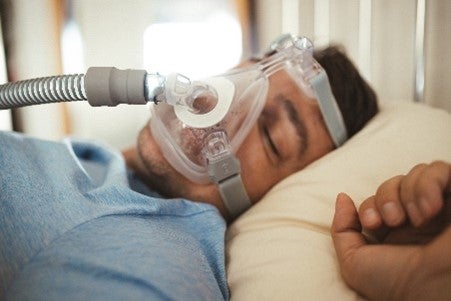
- Continuous Positive Airway Pressure (CPAP): This machine helps keep the airway open by delivering a steady stream of air via a mask worn during sleep.
- Oral Appliances: Custom-fit devices resemble mouthguards that help position your jaw to prevent airway obstruction.
- Lifestyle Modifications: Losing weight, quitting smoking, or limiting alcohol can significantly reduce symptoms.
- Surgical Options: For severe cases, procedures like uvulopalatopharyngoplasty (UPPP) or nasal surgeries may be necessary to remove obstructions in the airway.
Managing Lifestyle and Prevention
Adopting healthier lifestyle habits can greatly improve your symptoms and even prevent sleep apnea from worsening. Being proactive with these measures can make a significant difference to your overall well-being. Here’s what you can do to help improve your lifestyle and prevent sleep apnea:
- Maintain a healthy weight to reduce throat constriction.
- Sleep on your side instead of your back to keep your airway open.
- Avoid alcohol and sedatives before bedtime, as they relax throat muscles.
- Practice good sleep hygiene, including consistent bedtimes and technology-free evenings to promote better rest.
- Treat underlying conditions, such as allergies or nasal congestion, that may contribute to reduced airflow.
Take the First Step Toward Better Sleep Today
Untreated sleep apnea can lead to many physical and mental health issues. At Jupiter Sinus & Allergy, our team is here to help. Your path to better nights and brighter days starts here. When it comes to ear, nose, and throat care, you need more than a quick diagnosis. You need an ENT team that listens, investigates, and treats with precision. If you’re tired of feeling tired, contact our team today to schedule your consultation.