
How Jupiter Weather Affects Sinus Problems
A lot of people assume their sinus symptoms are caused entirely by allergies. Then they notice something unusual. Their congestion gets worse before a storm, facial pressure appears on days when pollen counts seem normal, or headaches come and go with changing weather conditions.
At Jupiter Sinus & Allergy, patients frequently describe these patterns before realizing that Florida’s weather may be influencing their symptoms more than they expected. While allergies are certainly common throughout South Florida, weather conditions can also affect how the sinuses function and how existing sinus issues are experienced.
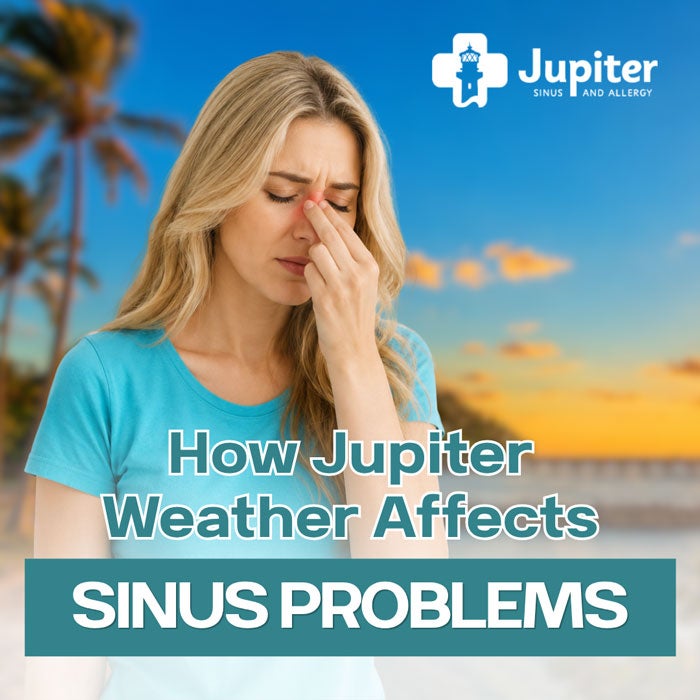
Your Sinuses Are More Sensitive to Weather Than You Might Think
Most people rarely think about their sinuses until something feels wrong. Under normal circumstances, the sinuses produce mucus that helps trap airborne particles and keeps the nasal passages healthy. This system works best when the tissues inside the nose and sinuses are functioning properly.
Changes in humidity, temperature, and air pressure can affect those tissues. For some individuals, weather fluctuations cause little to no discomfort. For others, even minor environmental changes can trigger congestion, pressure, or irritation that seems to appear without warning.
Why Storms Often Trigger Sinus Pressure
One of the most common complaints among Jupiter-area residents is increased sinus pressure before a storm arrives. This happens because changing barometric pressure can affect the air-filled spaces within the sinuses.
When the pressure outside changes rapidly, the sinuses may struggle to adjust at the same rate. The result can be facial pressure, headaches, discomfort around the eyes, or a sensation of fullness in the face. People who already have allergies, chronic sinusitis, nasal congestion, or inflammation often notice these symptoms more intensely than those with healthy sinus function.
In many cases, the weather itself is not causing a sinus infection. Instead, it is making an existing issue more noticeable.
Florida’s Humidity Creates Its Own Challenges
Unlike dry climates that can irritate the nasal passages through lack of moisture, South Florida presents a different set of challenges.
High humidity can encourage the growth of mold and increase exposure to environmental allergens. It can also contribute to swelling within the nasal passages for individuals who are already sensitive to airborne triggers. This combination can contribute to ongoing congestion and sinus discomfort for some individuals.
Residents of Jupiter, Palm Beach Gardens, Tequesta, and surrounding communities are exposed to pollen, mold spores, and other allergens throughout much of the year. Because some of these triggers can remain present throughout much of the year, many people feel as though allergy season never truly ends.
The Symptoms People Don’t Always Connect to Weather
Weather-related sinus problems are not always limited to congestion or a runny nose. Many people experience symptoms that seem unrelated at first glance.
Facial pressure, headaches, ear fullness, increased postnasal drip, fatigue, and difficulty concentrating can all be linked to changing weather conditions. Some individuals notice interrupted sleep because nighttime congestion becomes worse during periods of high humidity or approaching storms.
These symptoms can affect work, exercise routines, outdoor activities, golf outings, boating trips, and other parts of everyday life. Over time, many people simply accept them as part of living in South Florida without realizing there may be an underlying reason they occur so consistently.
When Weather Is Triggering an Existing Problem
One of the most important things patients learn during an ENT evaluation is that weather is often a trigger rather than the cause.
Conditions such as allergies, chronic sinusitis, nasal polyps, and structural concerns within the nose can make the sinuses more sensitive to environmental changes. This helps explain why two people can experience the same weather conditions while only one develops significant symptoms.
The weather may be revealing an underlying issue that was already present, especially when symptoms repeatedly flare during certain conditions.
How Do I Know It’s Time to Stop Waiting and Get Checked?
Occasional sinus pressure during weather changes is common. However, it may be worth seeking an ENT evaluation if symptoms keep returning, interfere with sleep, affect work performance, or regularly limit your daily activities.
You may also benefit from an evaluation if you experience recurring sinus infection symptoms, persistent congestion, frequent facial pressure, or discomfort that lasts long after a weather event has passed. Understanding whether allergies, chronic inflammation, nasal polyps, or another condition is contributing to the problem can provide valuable clarity.
Rather than simply treating each flare-up as it happens, identifying the underlying cause can help explain why symptoms continue returning.
When Weather Patterns Reveal More Than the Weather
Jupiter’s climate is one of the reasons so many people enjoy living in South Florida. However, the same humidity, seasonal storms, and environmental conditions that make the area attractive can also influence sinus health in ways that are easy to overlook.
At Jupiter Sinus & Allergy, patients often learn that recurring congestion, sinus pressure, and headaches are not simply a normal part of local weather patterns. In many cases, weather changes reveal underlying sinus or allergy concerns that have been contributing to symptoms for months or even years.
If changing weather conditions seem to trigger the same sinus problems repeatedly, an evaluation with Jupiter Sinus & Allergy may help identify what’s causing those symptoms and what options may be appropriate for your situation.
Results may vary: Treatment outcomes and health experiences may differ based on individual medical history, condition severity, and response to care.
Emergency Notice: If you are experiencing a medical emergency, call 911 or seek immediate medical attention.
A runny nose is commonly associated with allergies, a cold, or a sinus infection. However, some people develop clear, watery drainage specifically…
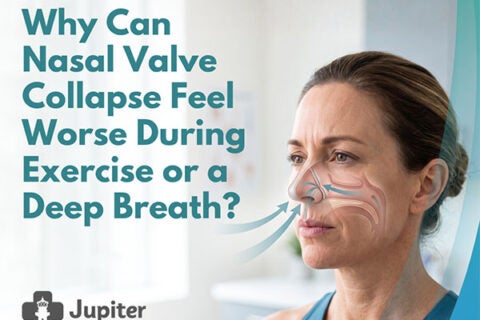
A blocked nose can become especially noticeable during exercise or when you take a deep breath. As your body demands more air, narrowing inside the…